Friday, November 14, 2008

Relief at the gas pumps – Part 2


Have you ever wondered what exactly makes your automobile more fuel efficient?
Check out these 10 fuel saving tips provided by gasbuddy.com! And be on your way to saving money with less gas consumption.


1. Avoid High Speeds
As your speed increases, your aerodynamic drag increases in an exponential fashion. Driving 62 mph (100 km/h) vs 75 mph (120 km/h) will reduce fuel consumption by about 15%.
2. Do Not Accelerate or Brake Hard
By anticipating the traffic and applying slow steady acceleration and braking, fuel economy may increase by as much as 20%.
3. Keep Tires Properly Inflated
Keep tire air pressure at the level recommended by your vehicle manufacturer. A single tire under inflated by 2 PSI, increases fuel consumption by 1%.
4. Use A/C Sparingly
When the air conditioner is on it puts extra load on the engine forcing more fuel to be used (by about 20%). The defrost position on most vehicles also uses the air conditioner.
5. Keep Windows Closed
Windows open, especially at highway speeds, increase drag and result in decreased fuel economy of up to 10%.
6. Service Vehicle Regularly
Proper maintenance avoids poor fuel economy related to dirty air filters, old spark plugs or low fluid levels.
7. Use Cruise Control
Maintaining a constant speed over long distances often saves gas.
8. Avoid Heavy Loads
Remove the sand bags from your trunk in the spring and pack lightly for long trips.
9. Avoid Long Idles
If you anticipate being stopped for more than 1 minute, shut off the car. Restarting the car uses less fuel than letting it idle for this time.
10. Purchase a Fuel Efficient Vehicle
When buying a new vehicle examine the vehicle's rated fuel efficiency. Usually choosing a small vehicle with a manual transmission will provide you with great fuel economy.

Friday, November 7, 2008

More relief at the gas pumps!


In recent weeks, there seems to finally be some relief at the gas pumps.


Here are some other easy ways to save more money at the pump…

Applying for a credit card that offers incentives is one way to save some additional money at the pumps. JPMorgan Chase & Co. offers a BP Visa card that earns you 5% cash back on all fuel purchases from any BP location or 2% back on all other Ultimate Fuel locations.

Sites like GasBuddy.com can help you find cheap gas prices in your city. It is a network of more than 181 gas price information websites that help you find low gasoline prices. All web sites are operated by GasBuddy and have the most comprehensive listings of gas prices anywhere.


According to GasBuddy, gasoline prices change frequently and may vary by as much as 20 percent within only a few blocks. It's important to be able to find the service station with the lowest priced fuel. GasBuddy websites allow motorists to share information about low priced fuel with others as well as target the lowest priced stations to save money when filling up at the pumps!
And saving money at the pumps, means being able to put away some extra emergency cash!

Friday, October 31, 2008

Bounced Check Fees are Ridiculous!


We’ve all been there at one time or another… reading your bank statement when you notice that there’s an overdraft charge. Maybe you had an unexpected bill payment or you just weren’t able to make a deposit in time. Whatever the reason, it’s frustrating because it feels like you might as well be throwing money out the window. Perhaps there’s even two or three of those overdraft fees on your statement, which could add up to a lot of money debited from your account at the end of the month.

There’s a good reason why you may have been feeling the financial crunch lately from overdraft charges. According to bankrate.com, the 2006 Checking Survey found that bounced check, or non-sufficient funds fees hit a record high of $27.40!

What this boils down to is that the fees associated with a bounced check are even higher than a payday loan finance charge. Payday loans have often gained a bad reputation for giving quick loans with insanely expensive finance charges. But the finance charges associated with the payday loan industry are not as expensive as you may have once thought.

For example, let’s take a $100 payday loan with a fee of $9.31 and an APR of 243%. That’s a rate typically offered to new customers, now compare that to a $100 bounced check with a fee of $27.40 and an APR of 714%! When you look at those figures, it just might make sense to apply for a quick cash advance to get you through until your next payday, rather than bounce a check.

Thursday, October 23, 2008

Is the cost of food eating up your budget? Part 2


As promised, here are a few more tips for saving cash at the grocery store:

On sale doesn’t mean you need it. Stores always have something on sale to entice customers to come in and shop. These items are frequently placed on the end of an aisle so you see them as you go by. This is where sticking to the list really comes in handy. Just because the item is 50% off doesn’t mean you need to buy it. If it is on your list, then that is great and you should get it. But if not, just push the cart past and continue your search for the important stuff.

Avoid the check-out aisle trap. The grocery stores know they have a captive audience as customers wait in line at the check-out counter. For this reason, they stock the shelves near the front with all the miniature items you could possibly want or need. To avoid this, try to do your shopping when the store isn’t as busy. This way you can zip right through the check-out counter without being distracted by the magazines and other goodies.

One last thought that I would like to add…

Try to leave the kids at home. I know you love your little bundles of joy. But it is so much easier to get in and out at the grocery store if the kids are at home. The less time that is spent at the grocery store, the less temptation there is to buy things that you don’t need! Plus, the kids won’t be there to ask for things. If there is another adult at home or close relative, see if they’ll watch the kids while you step out for a few minutes.

Friday, October 17, 2008

Is the cost of food eating up your budget? Part 1


While it may seem that food expenses are eating a hole in your wallet, there are ways that you can save on this household necessity.

Here are a couple of things that my friend does when he goes to the grocery store…

Eat before you shop. This is by far the most important thing you can do to save yourself from the temptation of buying more food than you actually need. Many grocery stores place their bakery section near the front entrance to entice customers with the wonderful smells of freshly baked bread and desserts. These smells will trigger hunger, and the hungrier you are, the more likely you are to spend more money on things you don’t need. An easy way to avoid this problem is to eat before you go shopping. That way you won’t have any desire to snag a bunch of junk food as you browse the store. You’ll find it much easier to stick to your shopping list. If the timing is not right for a meal, try drinking a couple glasses of water before you go. This will hold you over enough, so that you won’t be looking at all the goodies on the snack aisle.

Stick to your list. Another great principle for saving on food is planning out what you really need on a weekly basis. This will reduce the temptation to make impulse buys, and you’ll find that you can stick to your food plan easier.

Avoid brand names. Brand name items are usually placed at eye level so you can see them easily as you walk down the aisle. The lesser-known brands are placed on the upper and lower shelves, so a bit more searching is required. Manufacturers know that eye level merchandise is more likely to be seen, so they pay a higher stocking price to the stores, which in turn drives up the cost of the brand name items. Save yourself a buck or more and buy the store brand. Odds are it’s just as good as the name brand item.

Friday, October 10, 2008

Getting back on your feet after a storm


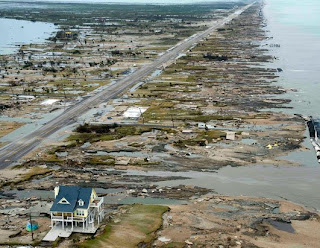
With the recent images of destruction caused by Hurricane Ike, it is easy to see that Mother Nature can be cruel at times. Thousands of dollars are spent due to damage inflicted by natural disasters - roads, homes and businesses all have to be rebuilt. Fortunately, there is assistance available.


Short term disaster relief is always available through organizations like the Salvation Army, American Red Cross and FEMA, also known as the Federal Emergency Management Agency. Local disaster coalition firms and community agencies may also be available for resources after a storm. These organizations provide a quick response to emergency situations caused by disasters like Hurricane Ike. Teams are typically sent after hurricanes, tornados, fires or floods. They often provide immediate needs like temporary shelter, food, water, basic supplies, as well as emotional and spiritual help.


Price gouging is becoming a huge concern to community evacuees before a storm. States like Florida have passed laws that forbid selling emergency goods, such as food, ice, water and fuel, for amounts that exceed the average price at least 30 days before a state of emergency has been announced. The law also applies to building materials, lodging or storage that’s usually needed after storm devastation. The best way to avoid being gouged is to purchase supplies before any warning a storm. Be prepared before hand by having food, bottled water, flashlights, extra batteries and first aid kit readily available if a state of emergency is declared. Store these items away in a garage or an extra closet.


Insurance policies usually assist in the rebuilding of homes after a storm. Homeowners should be sure to understand their policy before a disaster strikes. Coverage for house contents, such as furnishings and décor were once required in policy purchases. But these days, homeowners have the option to waive this type of coverage. Waiving the coverage can reduce monthly premium costs by 10% or more, but homeowners need to be prepared to cover the costs for these items when disaster strikes.


Not all policy benefits are created equal. In a lot of cases, insurance companies won’t pay extra to replace small repairs, such as window screens, unless the insured household decides to purchase optional coverage. Other insurance companies will cap the coverage or have varying rules depending on the state and county where the policy was purchased. Law and ordinance coverage should be considered when purchasing a policy. This coverage type is very important, because it will pay the cost to rebuild your home according to the most current building codes.
When making your claim, be prepared to pay a deductible, which can usually range from $500 to $1,000. Most insurance policies offer a hurricane deductible of $500 - 2%, 5% or 10%. Some state laws fix the hurricane deductible per season, not per storm. In case of a second event, this law allows insurers to require the second deductible to be fulfilled.


For the first time, insurance companies are being allowed to offer deductibles beyond above 10%. But, before making the decision to go for a higher deductible, take a look at your budget to calculate whether you could make repairs yourself or pick up the cost of a large deductible in the event a natural disaster occurs. For example, according to a 15% deductible policy, you would need to have an extra $15,000 to cover the repairs on your home if it endured $100,000 worth of damage during a storm. Once you’ve received your claim check and you’re not satisfied with the amount you received for storm damage, you are entitled to dispute the claim in a confidential, state-sanctioned mediation program.


Financial loose ends can also be a burden after a storm. Loss of work usually means credit card balances piling up, forgotten medical bills or car payments that need to be paid. Places where you can turn when you are in need quick emergency cash needs include lenders available online who make it easy to apply for emergency cash. Often, all you need to have available is your driver’s license and answers to a few personal questions. Any information that online lenders collect is always kept secure. The rates for some types of online loans can seem high, but when the loan is only needed for just a couple of weeks to get you by until your insurance claim check arrives - these lenders offer short term financial relief.

Wednesday, October 8, 2008

Finding your way out of a bad credit score


The fastest and easiest way to a perfect credit score is to pay your bills every month on or before the scheduled due date. But even the most reliable bill payers can catch themselves in an occasional slip up.
Take me for example, I recently found myself in a situation where my “Very Good” credit score could’ve been ruined for quite a long time - even years - just from one troubling event. The issue occurred when I assumed that a closed cellular phone account was actually paid in full and actually closed! I never followed up and because of that, found myself being contacted months later by a collection agency for a grand total of $69.76! That’s a small price to pay to potentially ruin credit history, and mine took a huge hit from this situation. After I discovered that it was reported to the credit bureaus, I contacted the collection agency. Eventually (30 to 60 days later), the agency advised the credit bureau to take it off and the issue was finally resolved.

Some ways of staying on top of the credit score game:

The easiest and quickest way to review your credit history is to visit http://www.myfico.com/. For a small fee, you’ll be able to set up an account, get a detailed look at your accounts and credit scores from all three credit bureaus – TransUnion, Experian, and Equifax. Once reviewed, you’re then able to dispute any items that you feel were reported by mistake. The information is accessible for a little over one month – allowing some flexibility in monitoring your scores and fixing any reporting errors.

Keep your debt to income ratio within reason. For example, having a yearly salary of $30,000 and $100,000 in debt – could be a potential danger zone! If you have one too many credit cards, buckle down and pay some of those off. Once the accounts are paid off, leave the accounts open, rather than paying them off immediately. The zero balances are actually better than closed accounts, but be sure to cut them up or keep them out of your sight. That way, you won’t be tempted to use one of them when you see a shirt that you just have to buy.
Also, I’d like to point out that retail or department store cards are useless when it comes to building credit. These types of cards also usually involve ridiculously high interest rates. So, try to stay away from those if possible.

Finally, when you do close accounts, be sure to get a letter mailed to you stating that the account was paid in full and the account was closed at consumer’s request. If you move, have your address changed with all lenders to ensure prompt statements and avoid any bill payment confusion.